At ZenCabs I run strategy and growth for an electric cab fleet in Jammu, so I watch EV adoption from the side of someone who has to make the numbers work on every car. The national data says something that surprises people who follow the car market: India's transition to electric is being led by the vehicles that work hardest.
Where adoption actually is
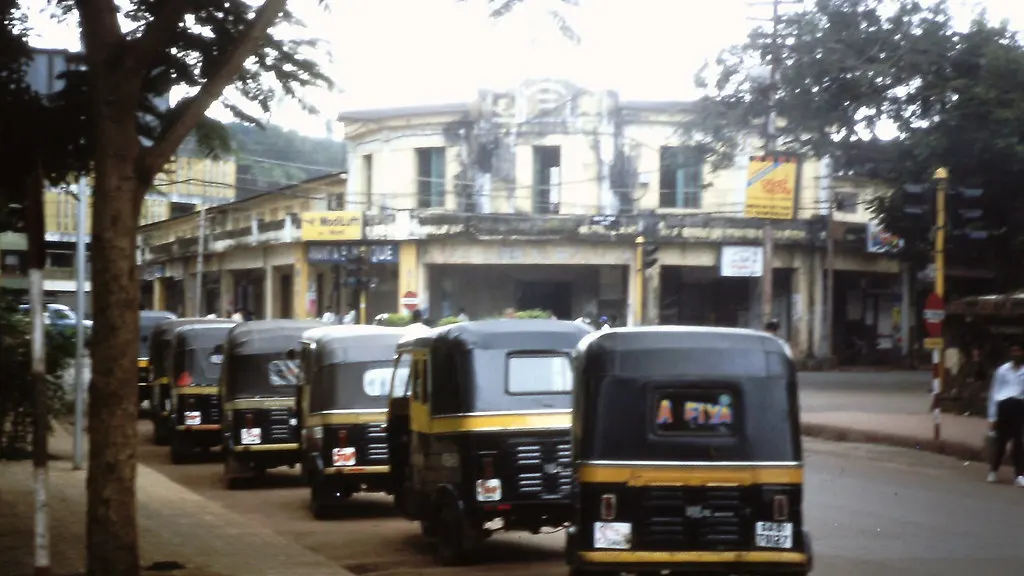
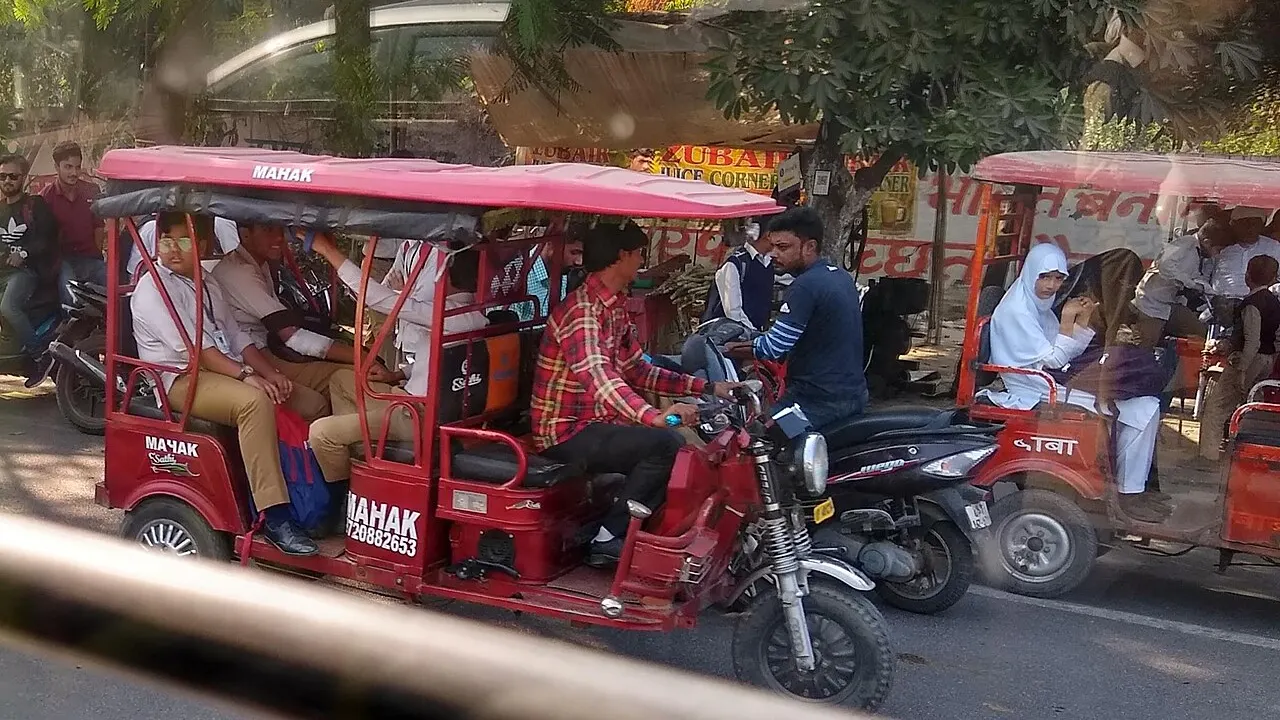
The Federation of Automobile Dealers Associations (FADA) reported that electric three-wheelers rose from 54.2% to 57.3% of three-wheeler retail sales in FY25. Electric two-wheelers rose from 5.4% to 6.1%, in a two-wheeler market of 1,88,77,812 units that year. Electric cars remain a small single-digit share of car sales. Momentum has continued since: FADA reported record electric vehicle retail of 2.98 lakh units in August 2026, 12.3% of everything sold that month.
| Segment | Electric share of retail sales, FY25 | Typical use |
|---|---|---|
| Three-wheelers | 57.3%, up from 54.2% | Commercial: passengers and goods, all day |
| Two-wheelers | 6.1%, up from 5.4% | Mostly personal commuting |
| Cars | Small single digits | Mostly personal, low daily distance |
Why the hardest-working vehicles switch first
An electric vehicle usually costs more to buy and less to run per kilometre. The saving only pays back the higher price if the vehicle covers enough distance. A three-wheeler carrying passengers or goods all day covers that distance quickly, and its owner buys on running cost because the vehicle is a livelihood. A private car that sits parked most of the day may never cover enough kilometres for the saving to matter to its owner.
This is the same arithmetic that runs an electric cab fleet. At ZenCabs, fleet utilisation rose from 40% to 75%, and every extra hour a car spends carrying riders spreads its fixed cost further and earns more of the running-cost advantage. An electric fleet that runs at low utilisation has paid the premium without collecting the saving. I break that down in the unit economics of an electric cab fleet.
What PM E-DRIVE funds, and what it leaves out
The PM E-DRIVE scheme has an outlay of ₹10,900 crore. It was set up to support 24.79 lakh electric two-wheelers, 3.16 lakh electric three-wheelers and 14,028 electric buses, with ₹2,000 crore for public charging. Demand incentives of ₹3,679 crore go to buyers of electric two-wheelers, three-wheelers, buses, trucks and ambulances. The incentive for two- and three-wheelers was set at ₹5,000 per kWh of battery in FY25, halving to ₹2,500 per kWh in FY26.
Two things follow for a fleet operator. Electric cars, including cars bought for cab fleets, are not on the list of vehicles that get the demand incentive, so an electric cab fleet has to make its economics work without that central purchase support. And the incentives that do exist are designed to step down. Any business model that only works with the subsidy is betting on a number the government has already said will shrink.
Reading the subsidy step-down with Push and Absorb
A subsidy cut is a textbook case for the Absorb half of my Push and Absorb framework. It is somebody else's decision arriving as a condition. Classified, it is fast (it happens on a known date) and permanent (it is not coming back at the old rate), which means steady it now and redesign for a world without it. The companies that treat the step-down as a surprise are the ones that mistook a temporary price for a permanent one.
What I would watch as an investor
- Financing for drivers and small fleet owners, since the buyer who benefits most from an EV is often the one with the least access to credit.
- Battery health and resale value, which decide the real cost of ownership and are still poorly priced in the used market.
- Charging where commercial vehicles actually rest, which is not always where public chargers are built.
- Unit economics after the subsidy, modelled at the FY26 rate and at zero.
- Utilisation, for any fleet business, because it is the number that turns a price premium into a saving.