Almost every business in India now takes money through UPI, and the numbers have become so large that it is easy to stop noticing them. They are worth reading closely, because they explain why payments stopped being a business model in India and became a feature.
The scale
UPI processed 228.3 billion transactions worth ₹299.7 lakh crore in 2025, up from 172.2 billion in 2024. Volume grew 29% and value 20%. December 2025 was the largest month on record, at 21.63 billion transactions worth ₹27.97 lakh crore.
| Measure | 2025 | Working |
|---|---|---|
| Transactions | 228.3 billion | Up 29% on 2024 |
| Value | ₹299.7 lakh crore | Up 20% on 2024 |
| Average payment | About ₹1,313 | ₹299.7 lakh crore ÷ 228.3 billion |
| Payments a day | About 62.5 crore | 228.3 billion ÷ 365 |
Value growing more slowly than volume means the average payment is getting smaller. UPI is moving from bills and transfers into everyday spending: tea, groceries, auto fares. That is what full penetration looks like.
Why it earns so little directly
Most UPI payments carry no merchant fee, so a payment company that only moves money earns almost nothing on the transaction itself. The apps with the most UPI volume make their money elsewhere: lending, merchant services such as soundboxes and point-of-sale devices, insurance and distribution. Payments became the way to acquire a customer cheaply, and the money comes from what is sold to that customer next.
This is the same shift I describe in ride-hailing, where zero-commission apps turned a percentage fee into a subscription, in open networks worked first in mobility. When a public rail makes the core transaction free, value moves to the services around it.
What it changed for small businesses
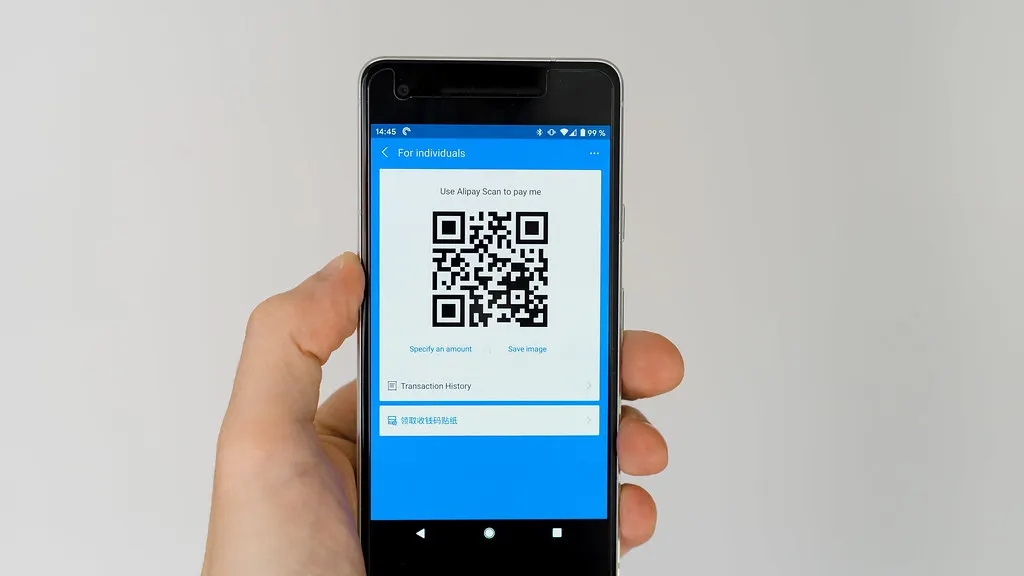
For a small merchant, UPI removed the cost and delay of cash handling and card fees at once, and it created a transaction record where there was none. That record is what lenders use to underwrite credit for businesses that never had a formal financial history. For operators, it means a new business can accept payment from day one with nothing more than a QR code, which lowers the cost of starting almost anything.
What I would look for as an investor
- Revenue per user from products other than payments, and how fast it is growing.
- Credit losses on loans underwritten from payment data, by vintage.
- Merchant retention on paid devices and services.
- Dependence on any regulatory change to fees or market-share caps.