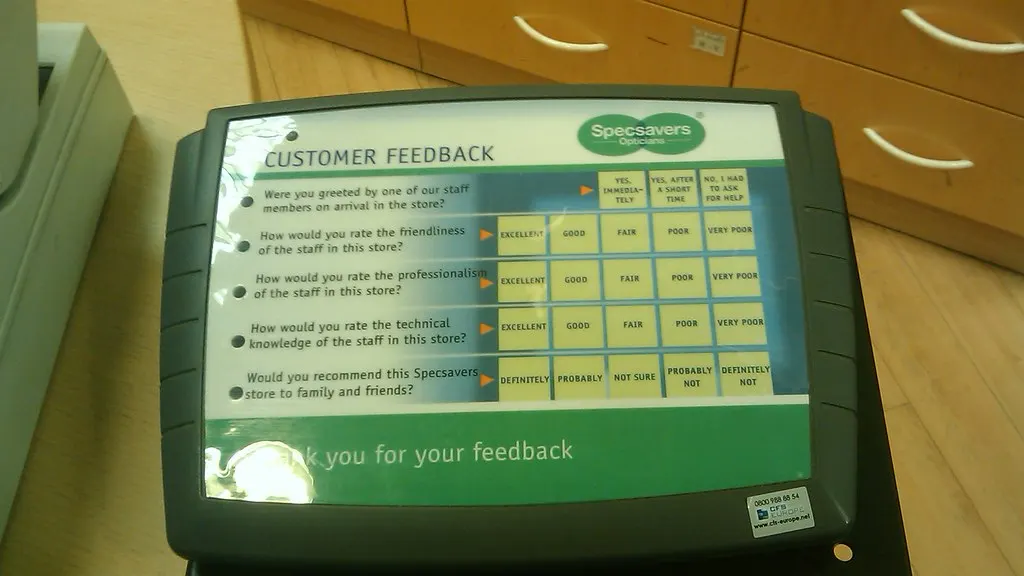
At ZenCabs, 27% of the user base became monthly active riders, 8,100 people, through voice-of-customer loops and retention plays. Most companies collect feedback. Far fewer have a loop, where each piece of feedback reaches a person who can change something and the customer later sees the change. This is how I would set one up.
Step 1: collect from the moments that matter
The richest feedback comes at the points where something went wrong or nearly did: a cancellation, a complaint, a low rating, a customer who stopped using the service. In a two-sided business the supply side counts too, because a driver or vendor sees problems a customer never does. Ask one short question at each of those moments, and read the answers yourself for the first few weeks.
Step 2: tag every piece by cause
Raw feedback is noise until it is grouped. Give each item one cause from a short, fixed list, for example no car available, driver late, price confusion, app problem. Keep the list short enough that anyone tagging it agrees on the category, and review the list only when a new cause keeps appearing.
Step 3: count causes every week
The weekly count by cause is the loop's output. It shows which few causes explain most of the complaints, which is where the effort goes. The count belongs in the same weekly review as the growth numbers, as I describe in the weekly review that took driver-side cancellations from 40% to 6%.
Step 4: give each cause an owner and a fix
A cause without an owner never gets fixed. For each of the top causes, name one person, agree the change they will make and the number that should move, and set the date you will check it. At ZenCabs the fixes for driver-side cancellations became 10+ standard operating procedures across onboarding and dispatch, and they took those cancellations from 40% to 6%.
Step 5: close the loop with the customer
Tell the people who complained what changed. A customer who sees their complaint turn into a fix has a reason to stay that a customer who heard nothing back does not, and that is a retention play in itself. It also keeps feedback coming, because people keep telling you things when they see it matters.
What makes a loop fail
- Feedback collected into a dashboard that no meeting reviews.
- A cause list so long that every complaint is its own category.
- Surveys sent at random times, when nothing notable has happened.
- Fixes that nobody checks, so the same cause returns next month.
Most of the causes a loop surfaces turn out to be reliability failures, which is why I argue in reliability is the growth strategy Indian businesses underprice that fixing them is the retention strategy.